How a mini-split works
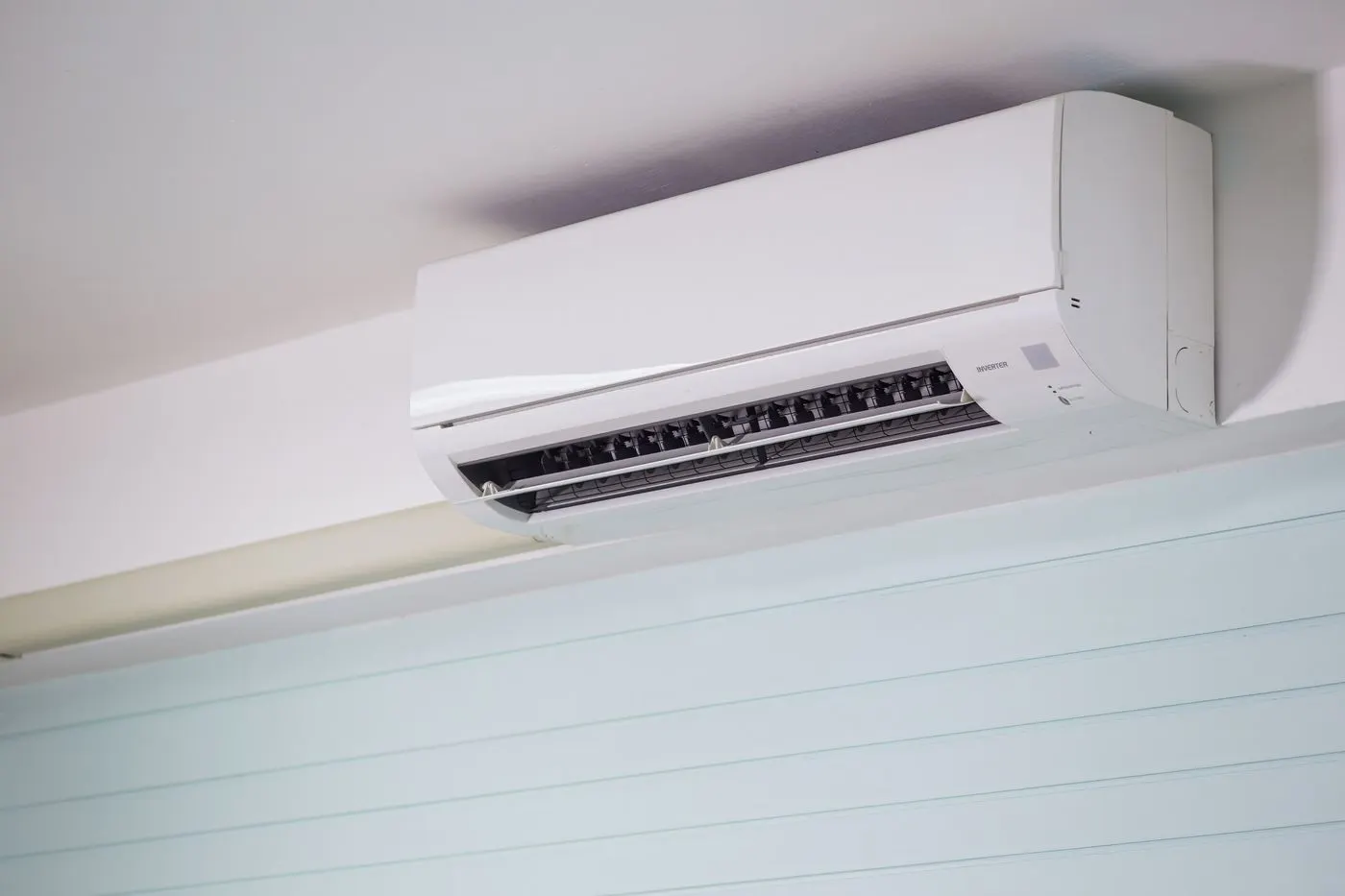
A ductless mini-split is a heat pump. In summer it moves heat out of the room to the outdoor unit, and in winter it reverses and moves heat from the outdoor air into the room. The outdoor unit holds the compressor. Each indoor unit holds a fan and coil and has its own thermostat or remote, so each room or zone can be set separately.
The indoor and outdoor units are connected by a line set: two copper refrigerant lines, a drain line and a control cable, wrapped together and run through a small hole in the wall.
Homes that are a good fit
Mini-splits make the most sense where ducts are missing or impractical. That includes older Sound Shore homes with radiator heat, additions and sunrooms, finished attics and basements, garages converted to living space, and rooms that are always too hot or too cold. Many owners start with one or two zones for the rooms they use most and add more later.
- Older homes with radiators and no ducts
- Additions, sunrooms and enclosed porches
- Finished attics and lower levels
- Home offices and bedrooms that run hot or cold
- Replacing window air conditioners
What happens on install day
A typical installation includes mounting the indoor unit, drilling the wall opening, setting the outdoor unit on a pad, stand or bracket, running and connecting the line set, running a dedicated electrical circuit, pressure testing and evacuating the lines, then starting and testing the system. Electrical work and refrigerant handling are jobs for qualified professionals, not homeowners.
What a good proposal shows
Look for the equipment brand and model numbers, the capacity of each indoor and outdoor unit, the efficiency ratings, the location of every unit, how the line set will be routed and covered, the electrical work included, permits, warranty terms and the payment schedule. Ask how the system was sized and whether the contractor did a room-by-room load calculation.
Typical installation costs
Published ranges from Fixr.
| Item | Typical range |
|---|---|
| National average range | $2,000 to $8,000 |
| One zone | $2,000 to $5,000 |
| Each added zone | $2,000 to $3,000 |
| Labor share of the total | 15% to 25% |
| Permit fees | $250 to $400 |
| Removing old equipment | $50 to $200 |
National ranges from the published sources below, not quotes. Westchester labor rates and older-home wiring often put local prices toward the higher end.
Sources: Fixr, ductless heat pump cost
Questions homeowners ask
How long does installation take?
A single-zone system is often installed in a day. Multi-zone systems, long line runs or electrical upgrades can take longer. Ask the contractor for a schedule.
Are mini-splits noisy?
Indoor units are generally quiet, and outdoor units run more quietly than many older central air condensers. Ask the contractor for the published sound ratings of the units they propose.
Can I keep my radiators?
Yes. Many homeowners keep their existing heat and use the mini-split for cooling and for heating in milder weather. Ask the contractor how the two systems can work together.
Will I need an electrical upgrade?
Possibly. Each system needs a dedicated circuit, and some older homes need panel work to add one. A licensed electrician should handle any panel changes.
Other services
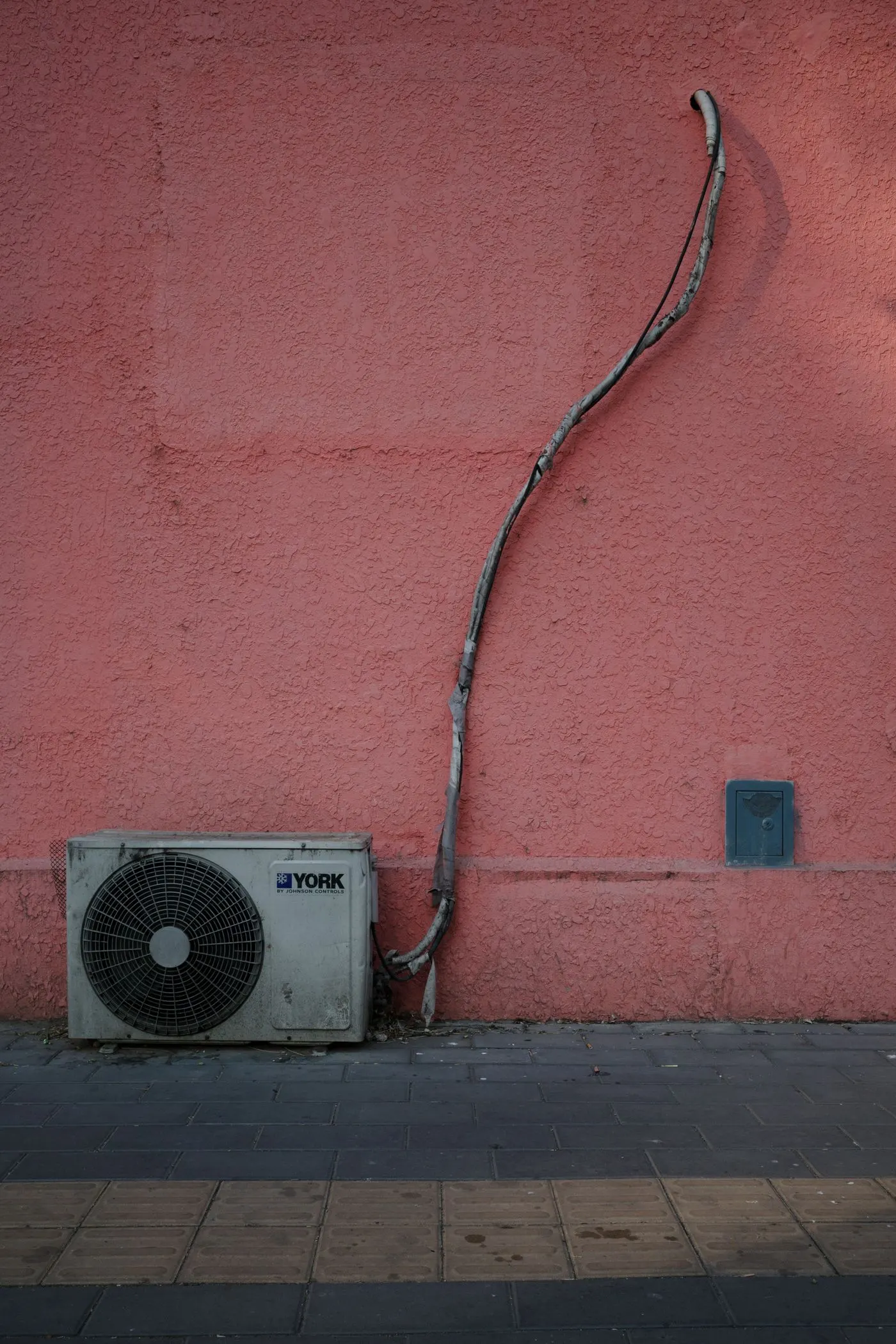
Multi-zone mini-splits
One outdoor unit serving several rooms.
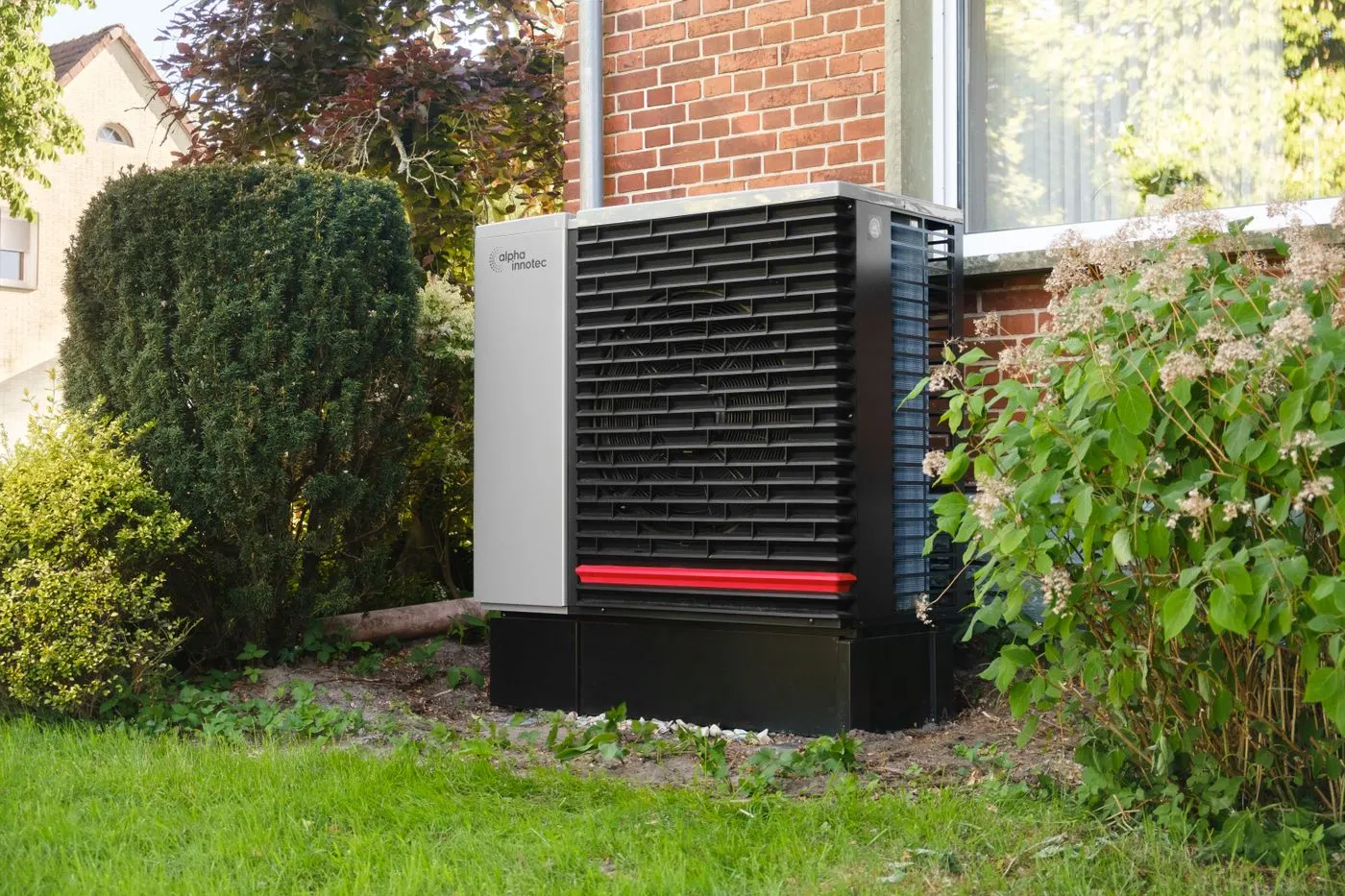
Heat pump conversions
Moving from window units or fossil fuel heat to a heat pump.
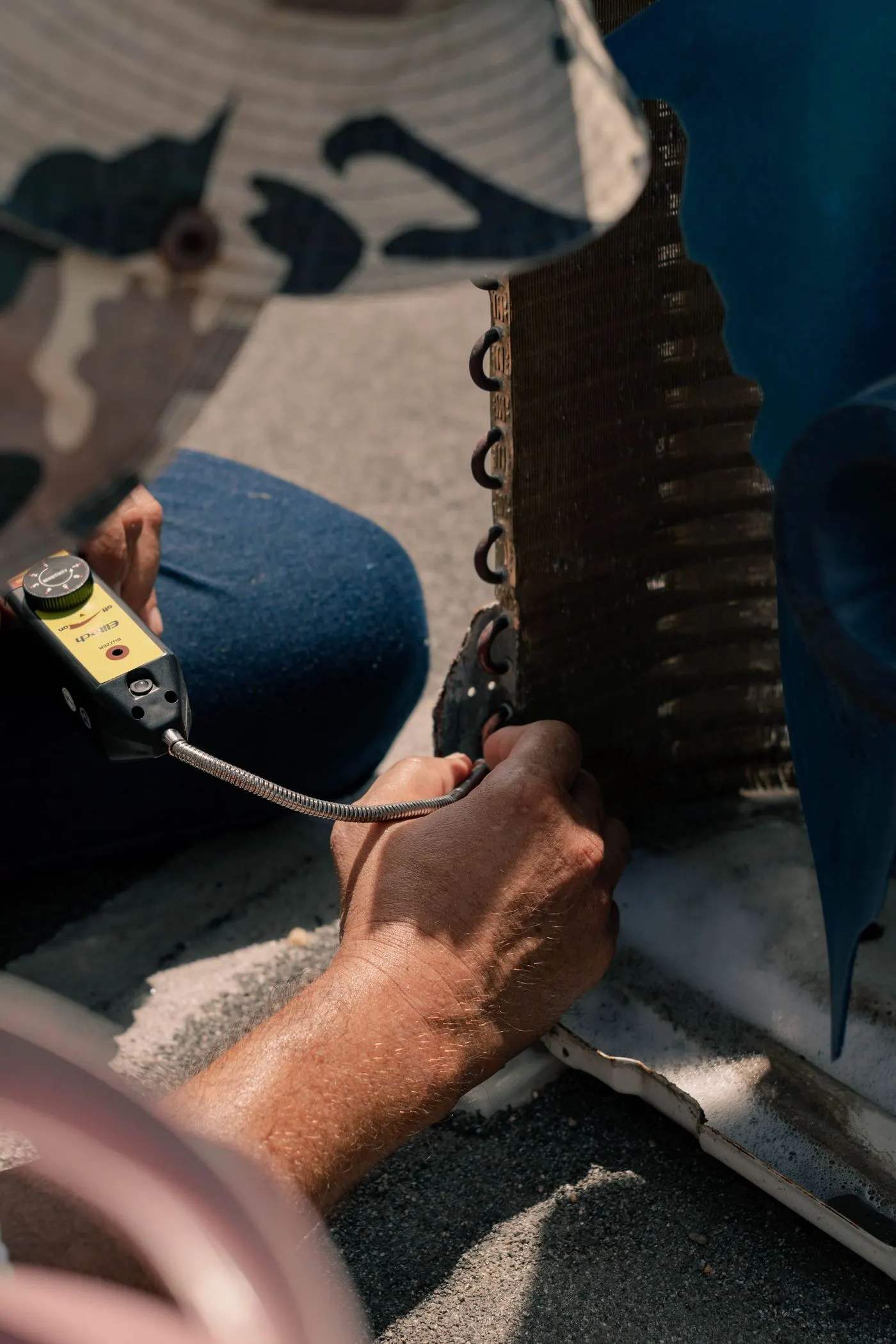
Mini-split repair
Diagnosis and repair for ductless systems.
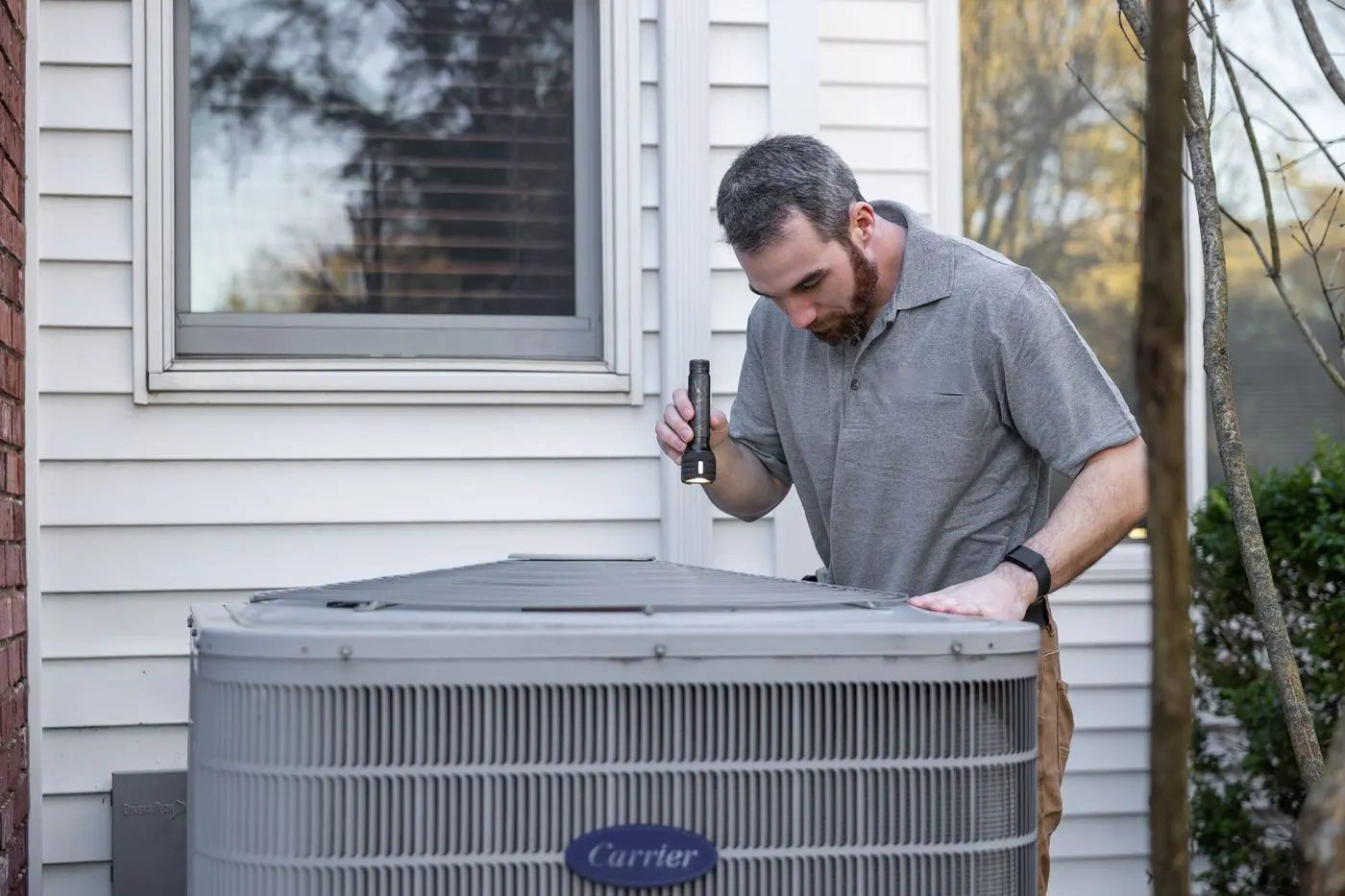
Mini-split maintenance
Cleaning and checkups that keep systems efficient.
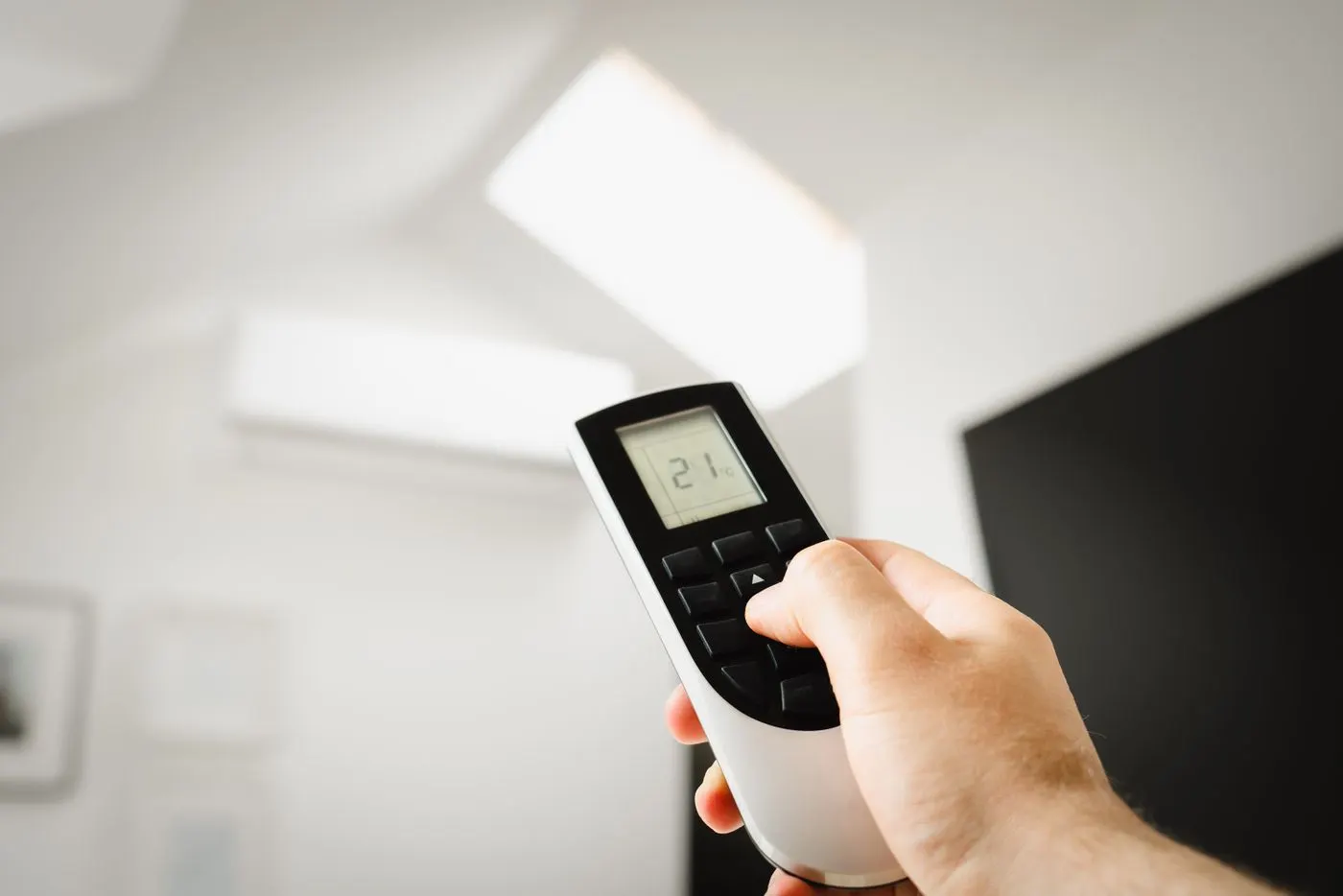
Central AC alternatives
Cooling options for homes without ductwork.
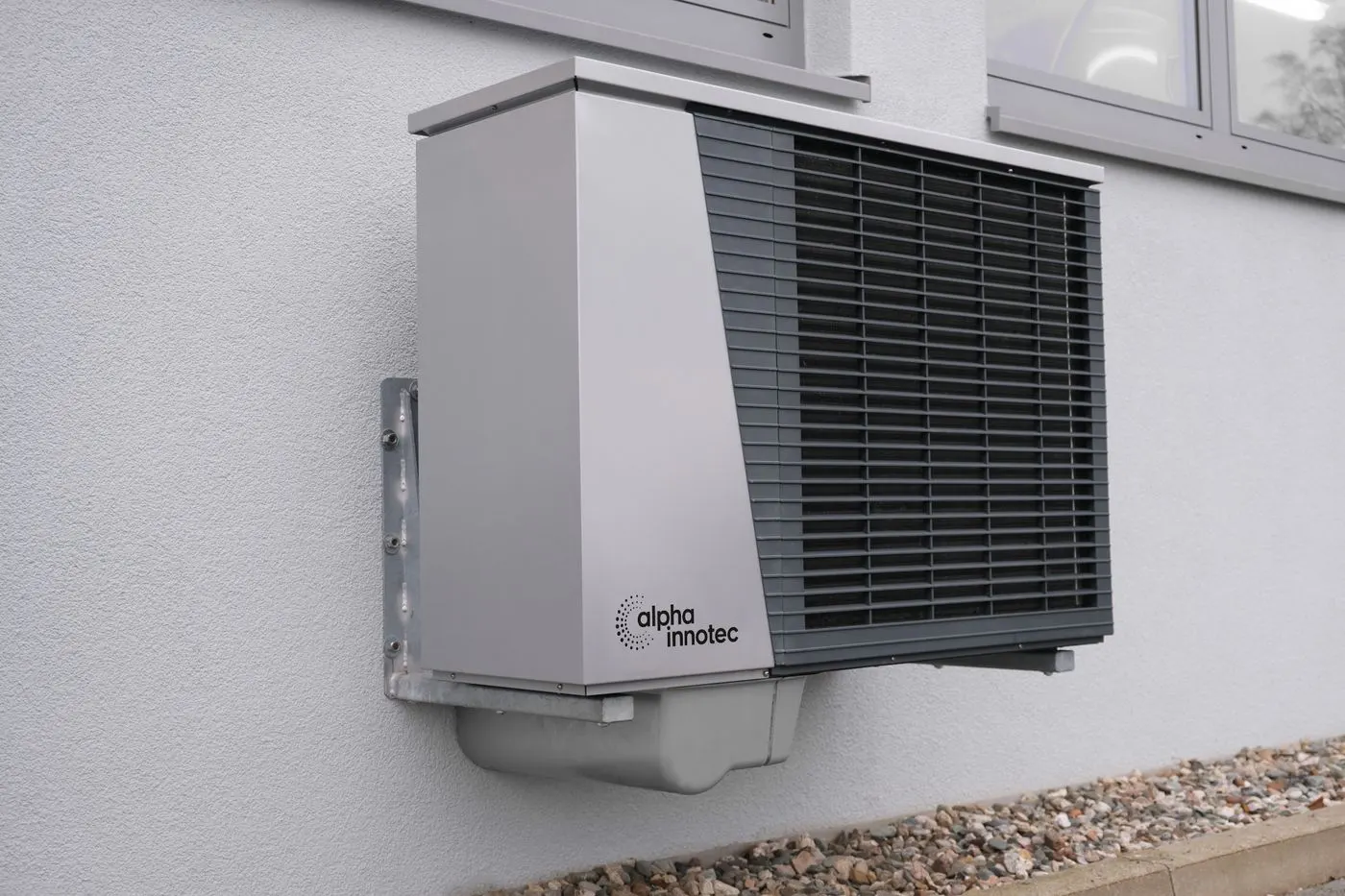
Rebates and incentives
Programs that may lower the cost of a heat pump.