Single-zone vs multi-zone
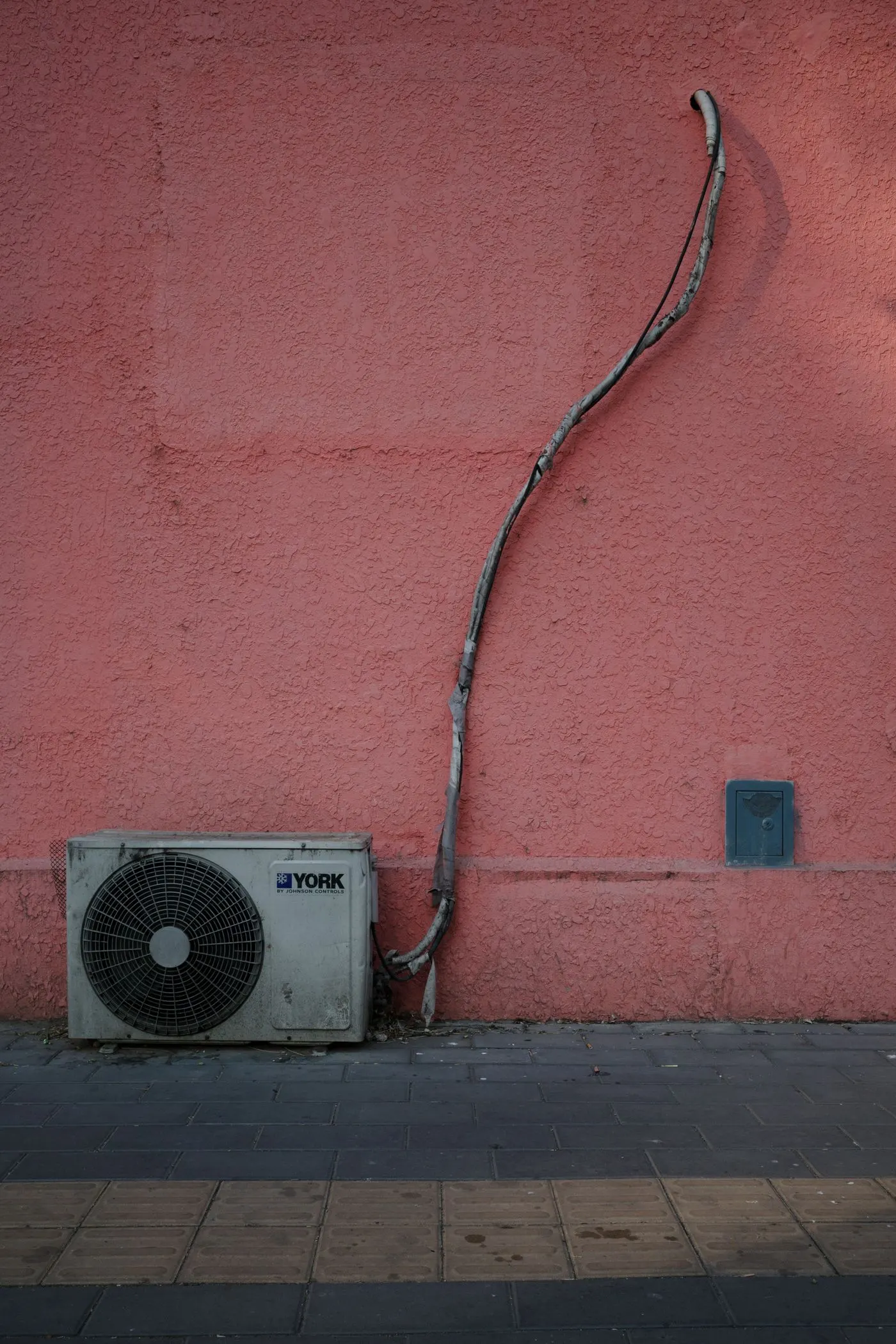
A single-zone system pairs one outdoor unit with one indoor unit. A multi-zone system connects two or more indoor units to one outdoor unit, so several rooms can be heated or cooled independently. Multi-zone setups save space outside, but each indoor unit still needs its own line set back to the outdoor unit, or to a branch box.
Some homeowners choose two or more single-zone systems instead. That costs more in outdoor units but means one failure does not take down every room. Ask the contractor to explain the tradeoffs for your layout.
Planning the zones
Good zoning follows how you use the house. Bedrooms that need cooling at night, a living area used during the day and a home office used on weekdays may each be their own zone. Open floor plans may only need one larger unit. A room-by-room load calculation helps size each indoor unit and the outdoor unit together.
- List the rooms you want heated or cooled
- Note which rooms get strong sun or have many windows
- Mark rooms used at different times of day
- Decide where indoor units can mount
- Pick an outdoor location with good clearance
Indoor unit styles
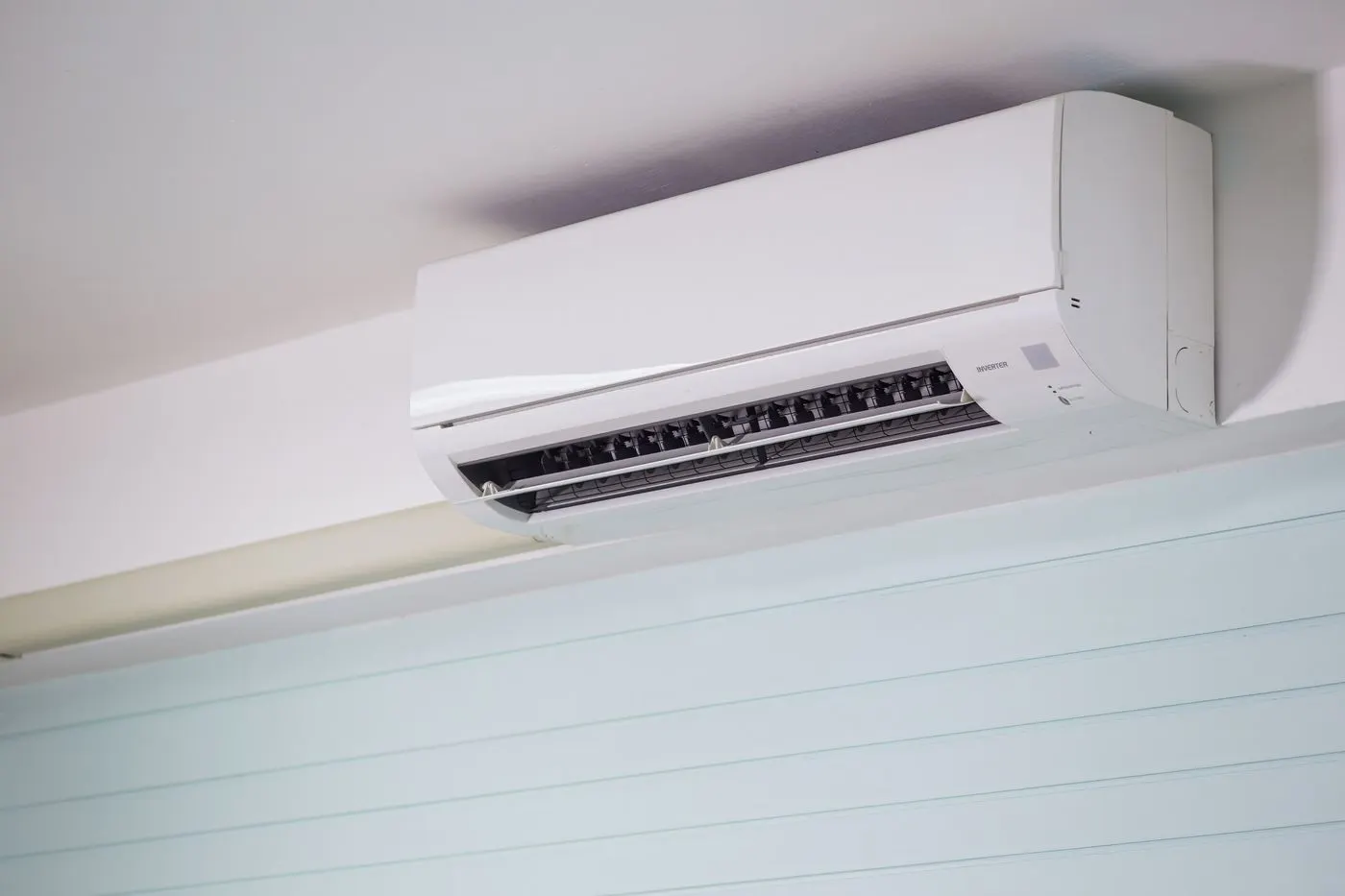
High wall units are the most common and usually the lowest cost. Ceiling cassettes sit flush in the ceiling and spread air in several directions. Floor consoles fit under windows or in rooms with limited wall space. Concealed ducted units can serve a couple of rooms through short duct runs. Each has different costs and installation needs.
Line sets and the outside of the house
With several indoor units, several line sets run to the outdoor unit. Contractors often route them on the outside of the house inside a cover that can be painted to match the siding. Ask to see how lines will be routed and where they will enter each room.
Electrical needs
Multi-zone outdoor units draw more power than single-zone units and need a dedicated circuit sized to match. Some older homes need a panel upgrade. A licensed electrician should do any panel work, and permits may apply.
Typical multi-zone costs
Published ranges by number of zones, from Fixr.
| System | Typical range |
|---|---|
| Two zones | $3,000 to $8,000 |
| Three zones | $5,000 to $11,000 |
| Four zones | $7,000 to $14,000 |
| Five zones | $9,000 to $16,500 |
| Subpanel, if needed | $400 to $2,000 |
National ranges from the published sources below, not quotes. Westchester labor rates and older-home wiring often put local prices toward the higher end.
Sources: Fixr, ductless heat pump cost
Questions homeowners ask
How many zones can one outdoor unit serve?
It depends on the model. Many multi-zone outdoor units handle two to five or more indoor units. The contractor will match the outdoor unit to the total load.
Can each room be set to a different temperature?
Yes. Each indoor unit has its own controls, though with a shared outdoor unit, all zones usually need to be in the same mode, heating or cooling, at the same time.
Is one large unit cheaper than several small ones?
Sometimes, but one unit cannot condition closed-off rooms well. Zoning by room usually gives better comfort in houses with many separate rooms.
Can I add zones later?
Sometimes. If the outdoor unit has spare capacity and connections, an indoor unit can be added later. Ask the contractor whether to size the outdoor unit with future rooms in mind.
Other services
Ductless mini-split installation
Heating and cooling for homes and rooms without ducts.
Heat pump conversions
Moving from window units or fossil fuel heat to a heat pump.
Mini-split repair
Diagnosis and repair for ductless systems.
Mini-split maintenance
Cleaning and checkups that keep systems efficient.
Central AC alternatives
Cooling options for homes without ductwork.
Rebates and incentives
Programs that may lower the cost of a heat pump.