What a conversion can mean
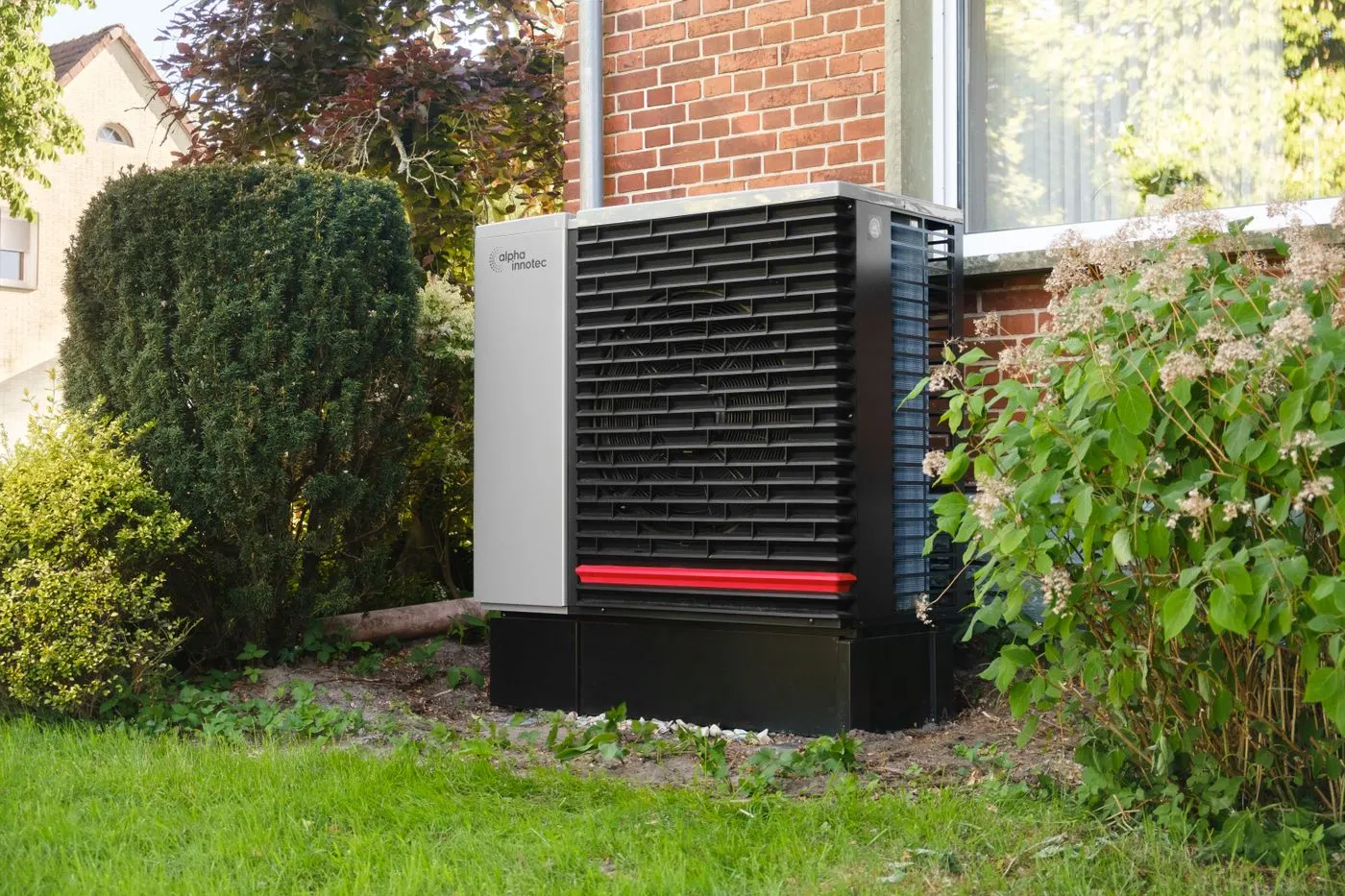
A heat pump conversion can be partial or whole-house. A partial conversion adds mini-splits for cooling and shoulder-season heating while keeping the existing heating system for the coldest days. A whole-house conversion sizes heat pumps to carry the full heating load, with the old system kept as backup or removed. Which path makes sense depends on the house, the budget and your goals.
Start with the house
Heat pumps work best in homes that hold heat well. Before sizing equipment, it is worth looking at insulation, air leaks around windows and doors, and drafty attics. Sealing and insulating can reduce the size and cost of the system you need. Some contractors offer or can recommend an energy assessment first.
- Review current heating and cooling
- Check insulation and air sealing
- Do a room-by-room load calculation
- Decide on partial or whole-house coverage
- Confirm electrical capacity
Cold-weather performance
Heat pumps lose some capacity as outdoor temperatures drop. Models designed for cold climates are rated to keep producing heat well below freezing. Ask the contractor for each unit's rated heating output at low temperatures, and how the system will handle the coldest days in southern Westchester.
Incentives
The NYS Clean Heat program offers incentives through utilities, including Con Edison, for qualifying heat pump systems. Some incentives depend on the system being sized for the full heating load of the area it serves. NYSERDA's EmPower+ program helps income-eligible households with energy upgrades. Eligibility and amounts change, so confirm details with the contractor and the program before you sign. See the rebates page.
Running costs
Operating cost depends on electricity rates, the efficiency of the equipment, how the home is built and how you use the system. Ask the contractor for an estimate of operating costs based on your house, and compare it with what you pay now.
Typical heat pump costs
Published ranges from Fixr.
| System | Typical range |
|---|---|
| Ductless mini-split heat pump | $2,000 to $8,000 |
| Air-source heat pump | $5,000 to $15,000 |
| Heat pump, 2,000 sq ft home | $8,000 to $20,000 |
| Permits and inspections | $50 to $300 |
| Labor, per hour | $75 to $125 |
National ranges from the published sources below, not quotes. Westchester labor rates and older-home wiring often put local prices toward the higher end.
Sources: Fixr, heat pump installation cost; Fixr, ductless heat pump cost
Questions homeowners ask
Should I remove my old heating system?
Many homeowners keep it as backup at first. Ask the contractor whether your heat pump will carry the full load and what the old system will be used for.
Will a heat pump lower my energy bills?
It depends on the fuel you use now, electricity rates and the efficiency of the equipment. Ask for an operating cost estimate based on your home.
Can a heat pump replace window air conditioners?
Yes. Mini-splits cool more quietly and efficiently than most window units and free up the windows.
Do I need an energy audit first?
It is not required, but it can help. An assessment shows where the house loses heat, and fixing the worst leaks can shrink the system you need. Ask whether the contractor offers or recommends one.
Other services
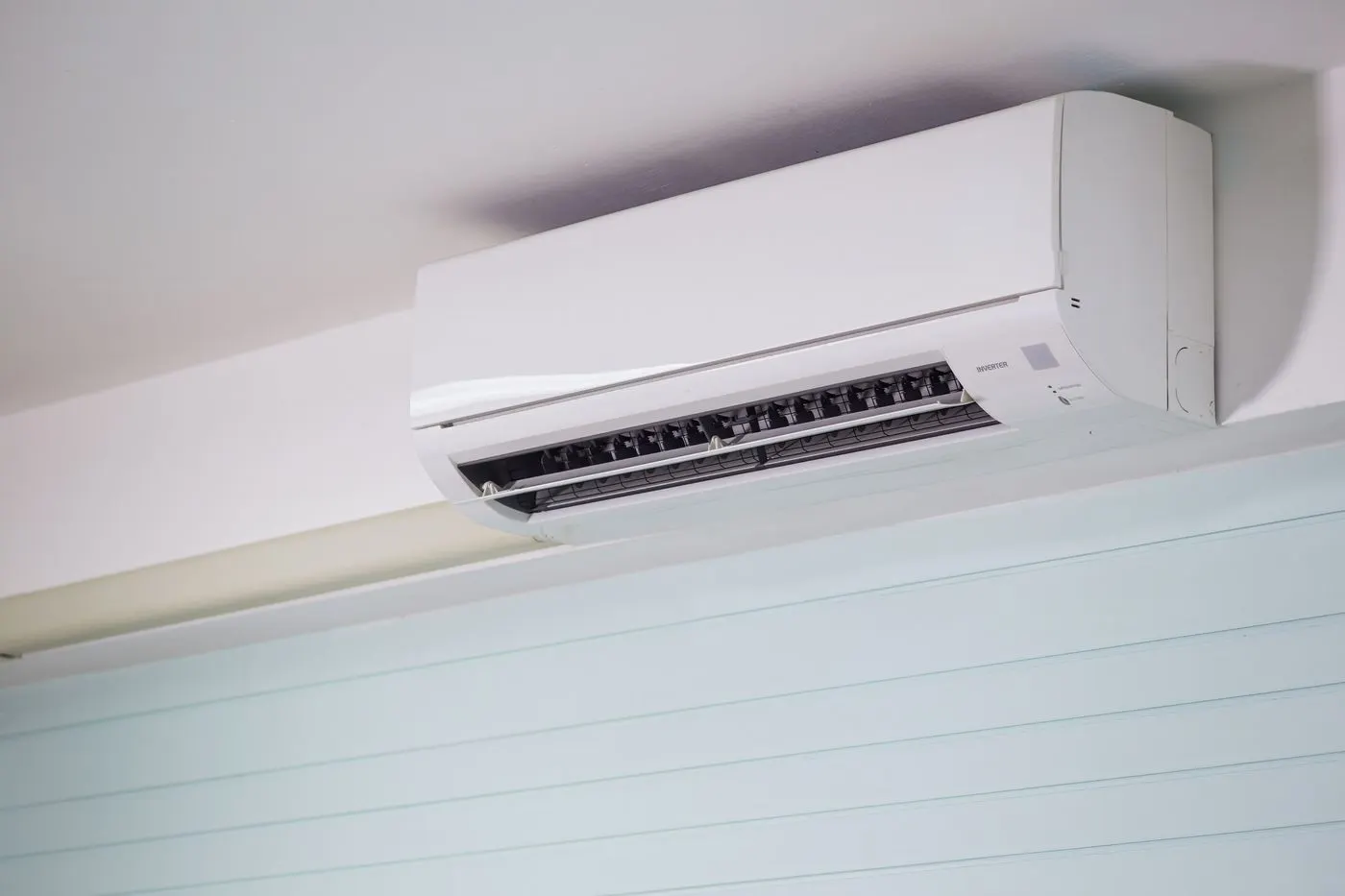
Ductless mini-split installation
Heating and cooling for homes and rooms without ducts.
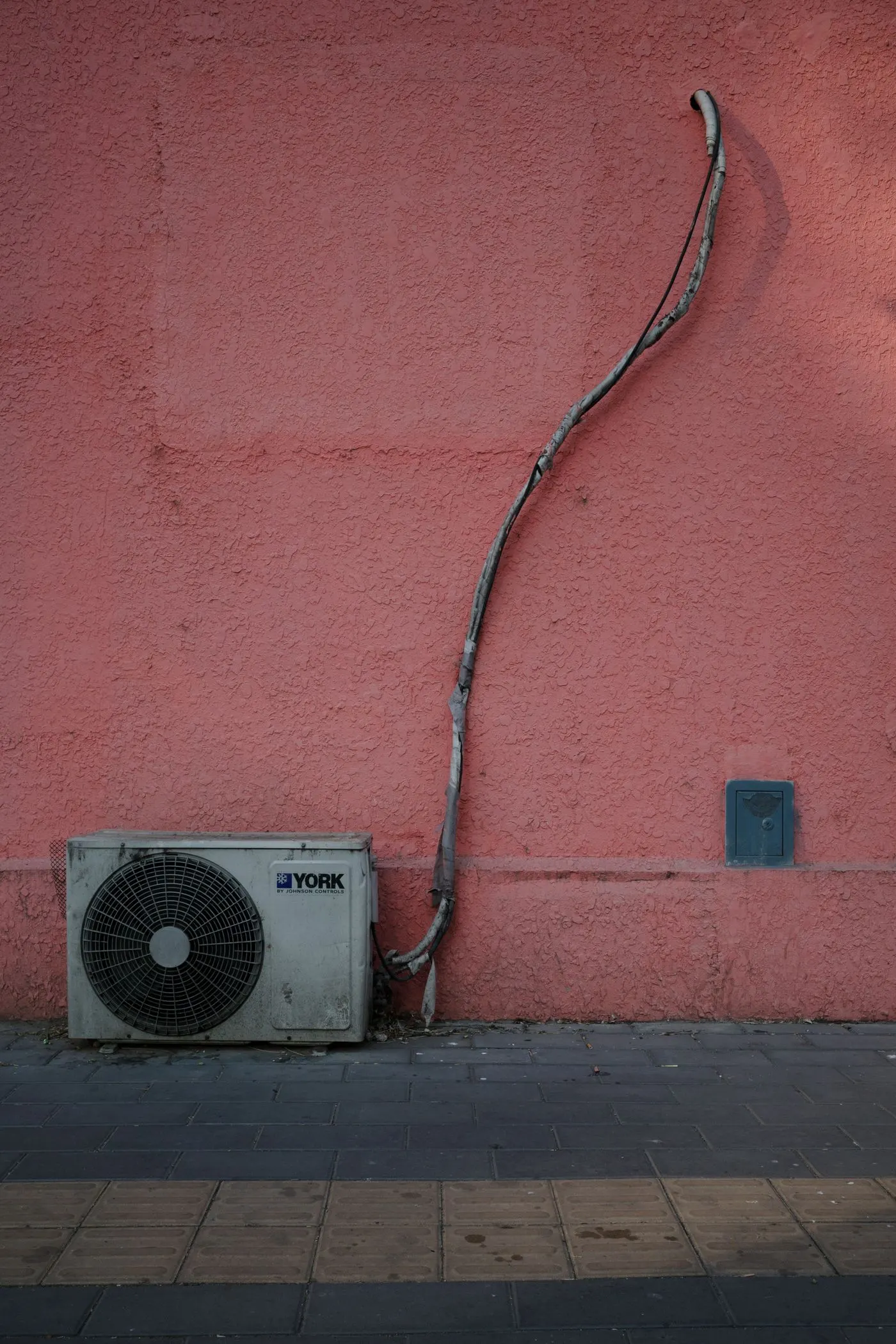
Multi-zone mini-splits
One outdoor unit serving several rooms.
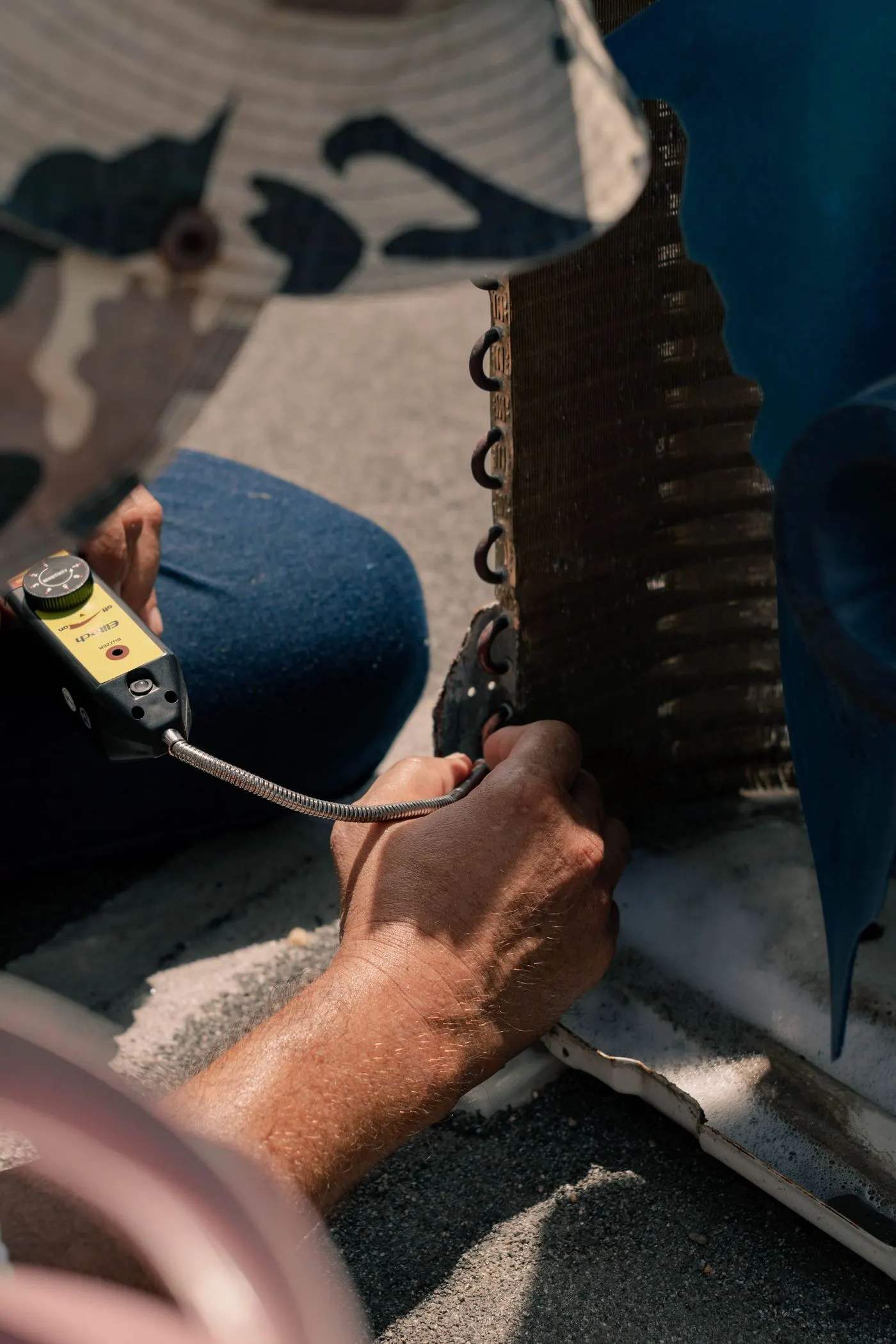
Mini-split repair
Diagnosis and repair for ductless systems.
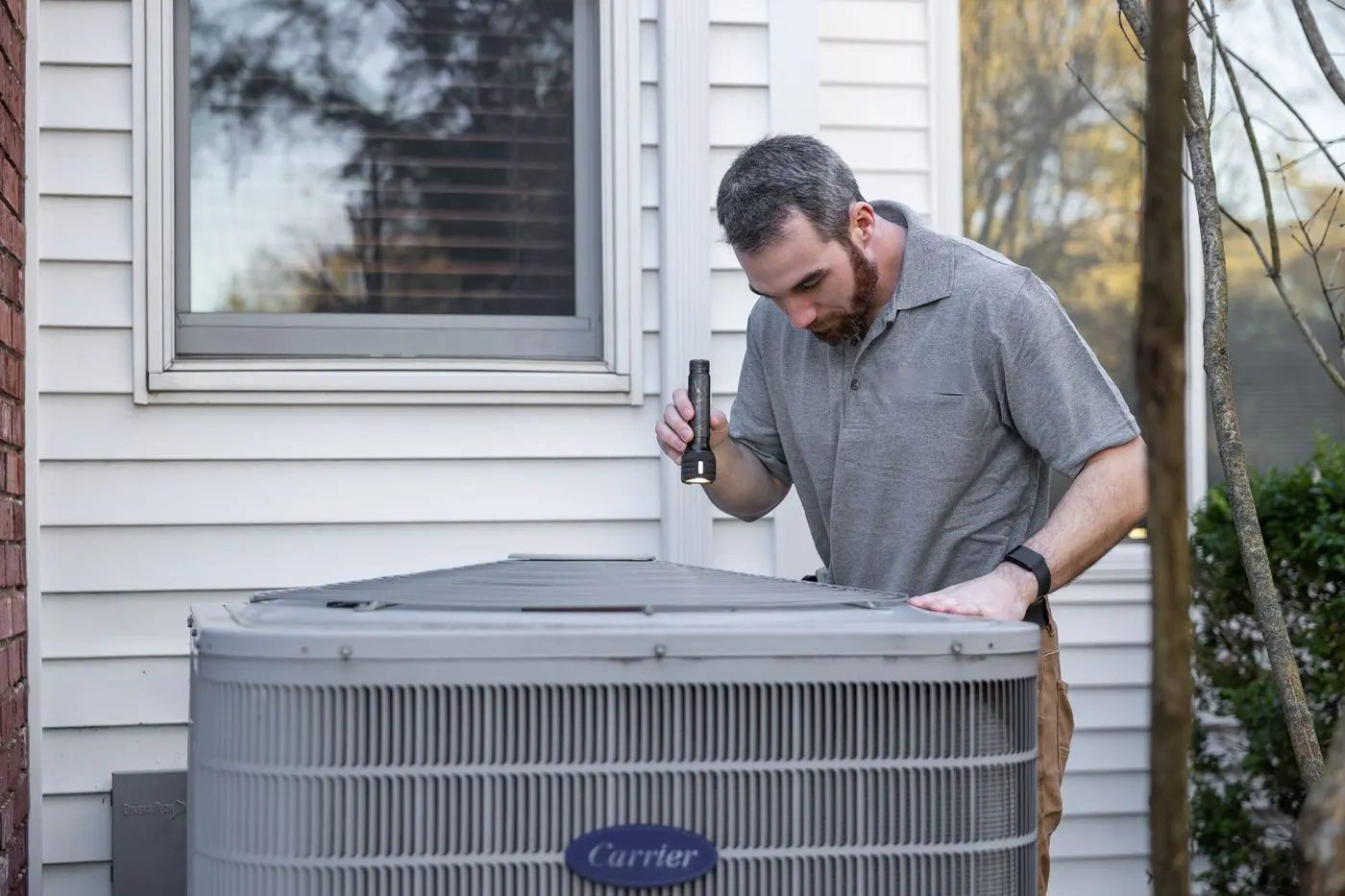
Mini-split maintenance
Cleaning and checkups that keep systems efficient.
Central AC alternatives
Cooling options for homes without ductwork.
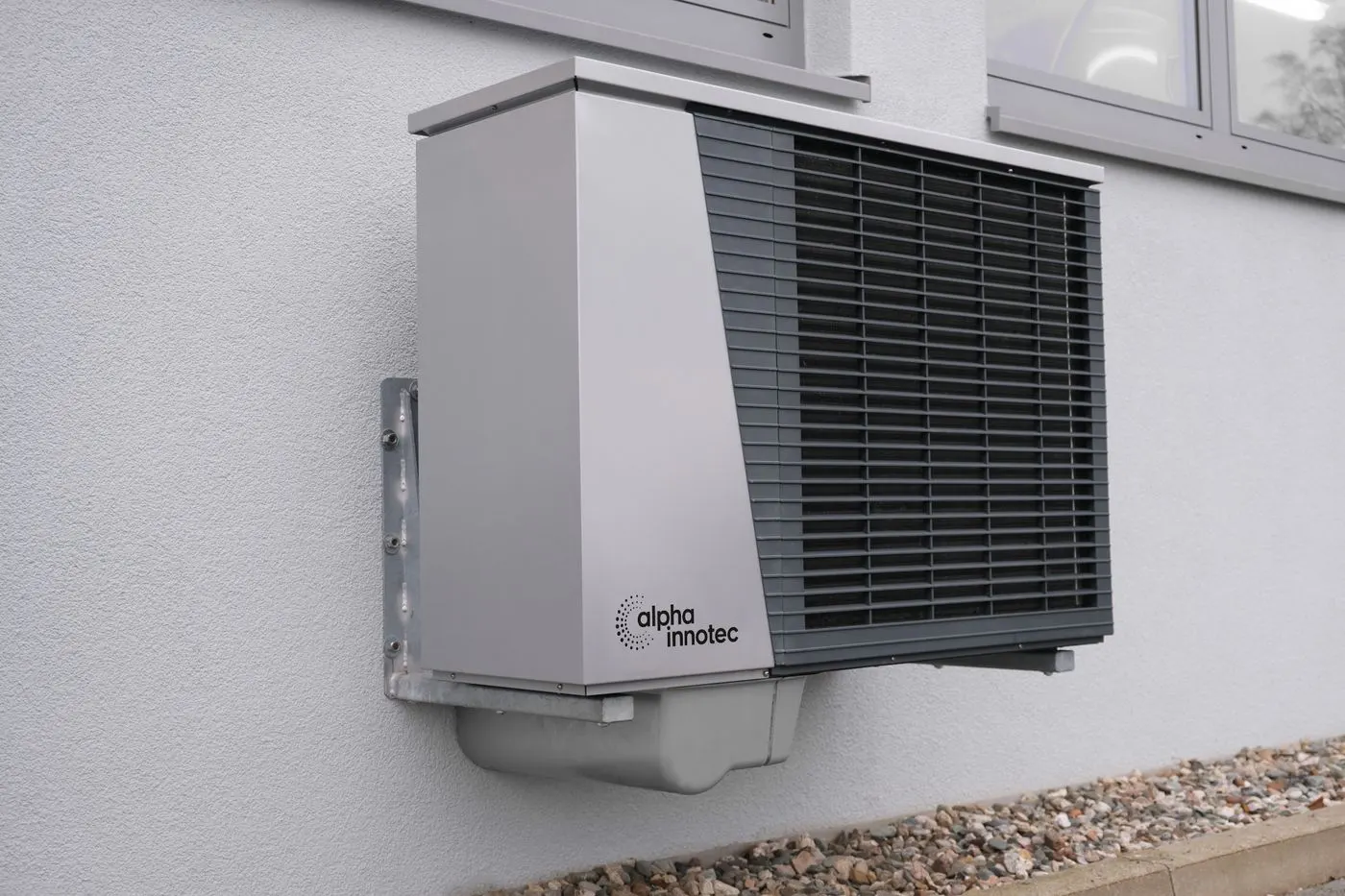
Rebates and incentives
Programs that may lower the cost of a heat pump.